The Role of Parks in Community Wellbeing
Parks and green spaces play a vital role in enhancing the wellbeing of communities. Research indicates that access to parks can positively influence physical health, mental wellbeing, and social interactions among residents.
Understanding the Basics
According to studies conducted by the World Health Organization, urban green spaces contribute significantly to improved mental health outcomes. These areas provide a peaceful environment where individuals can engage in physical activities, relax, and connect with nature. Experts recommend incorporating more green spaces into urban planning to foster healthier communities.
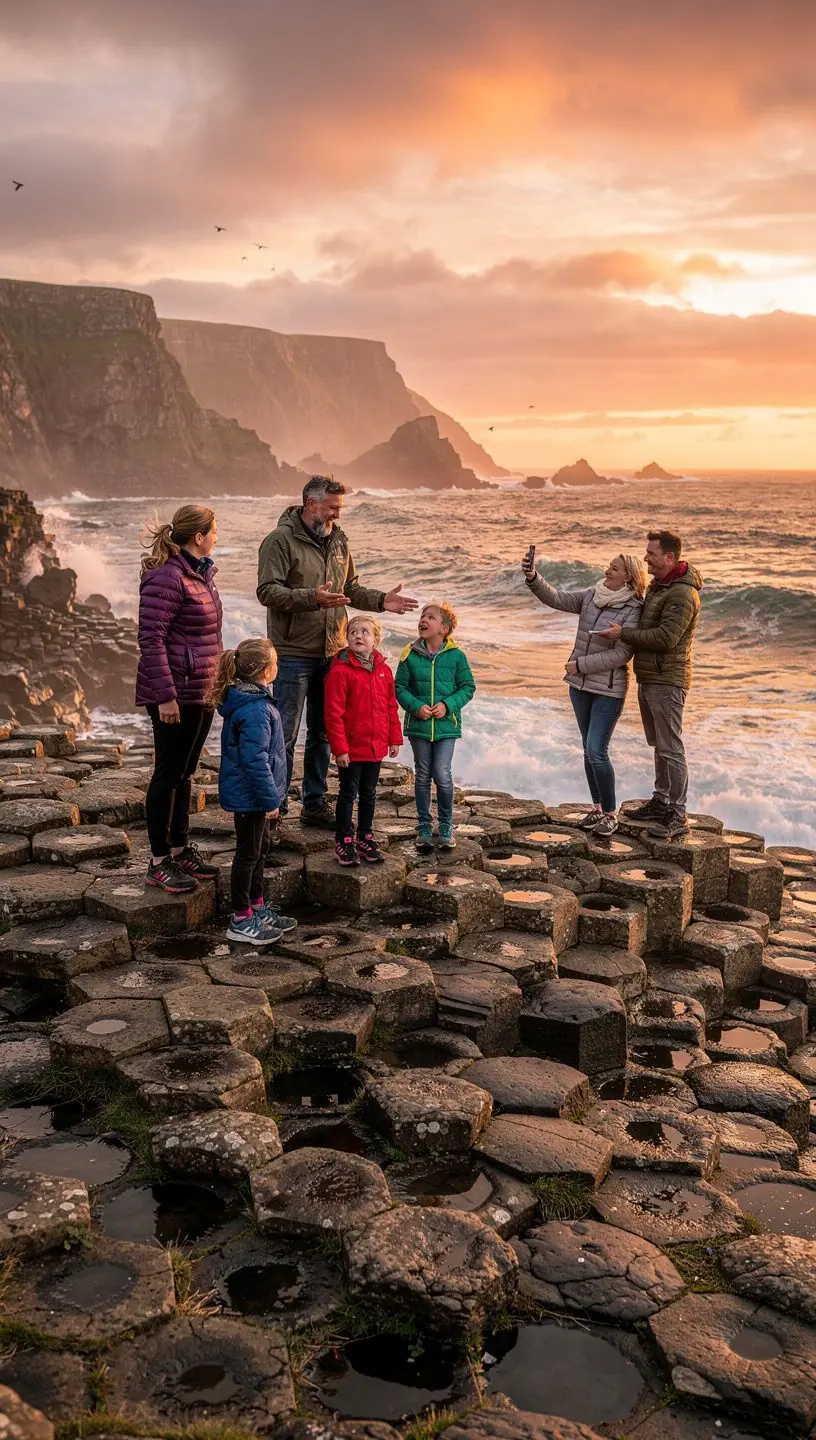
"Access to parks and recreational areas can reduce stress levels and promote an active lifestyle."
Benefits of Parks for Community Wellbeing
Research shows that parks offer numerous benefits, which can be categorized as follows:
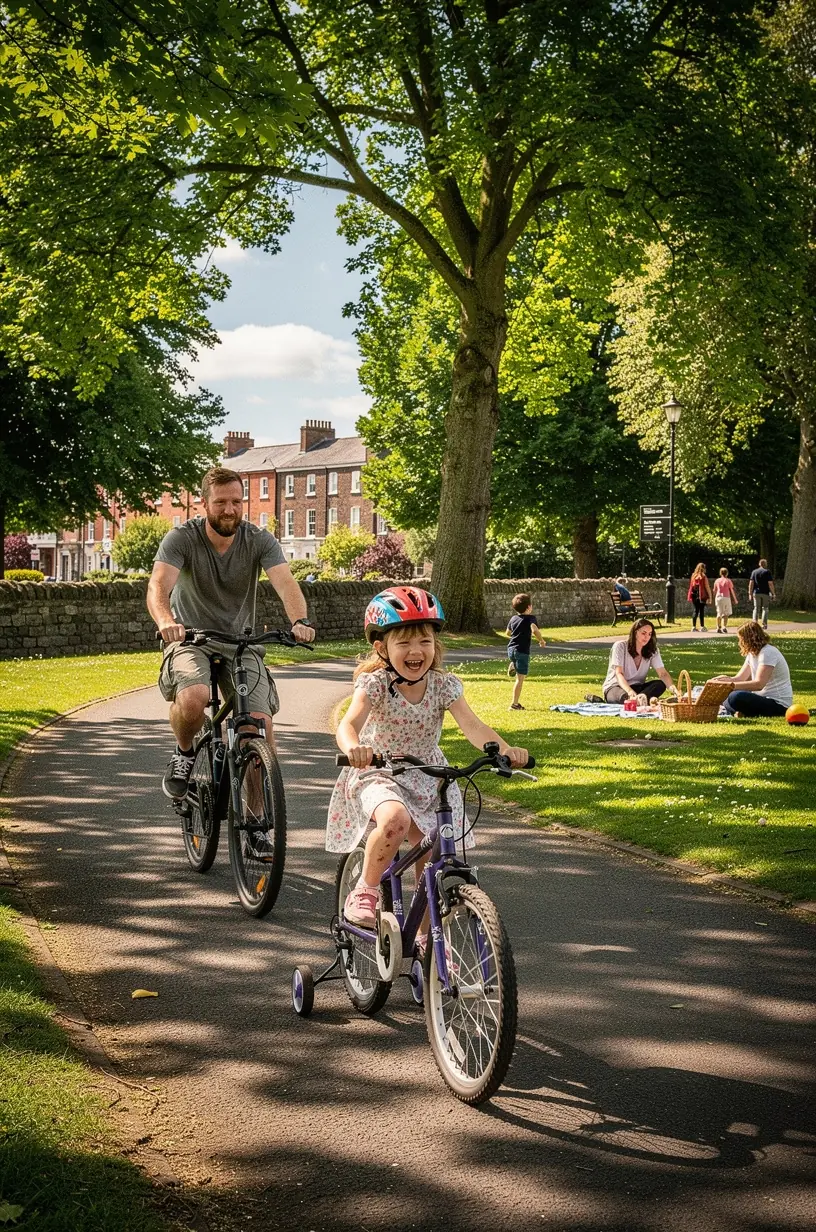
- Physical Health: Regular access to parks encourages outdoor activities such as walking, cycling, and jogging, leading to improved physical fitness. A study published in the Journal of Physical Activity and Health found that individuals living near parks are 50% more likely to meet recommended levels of physical activity.
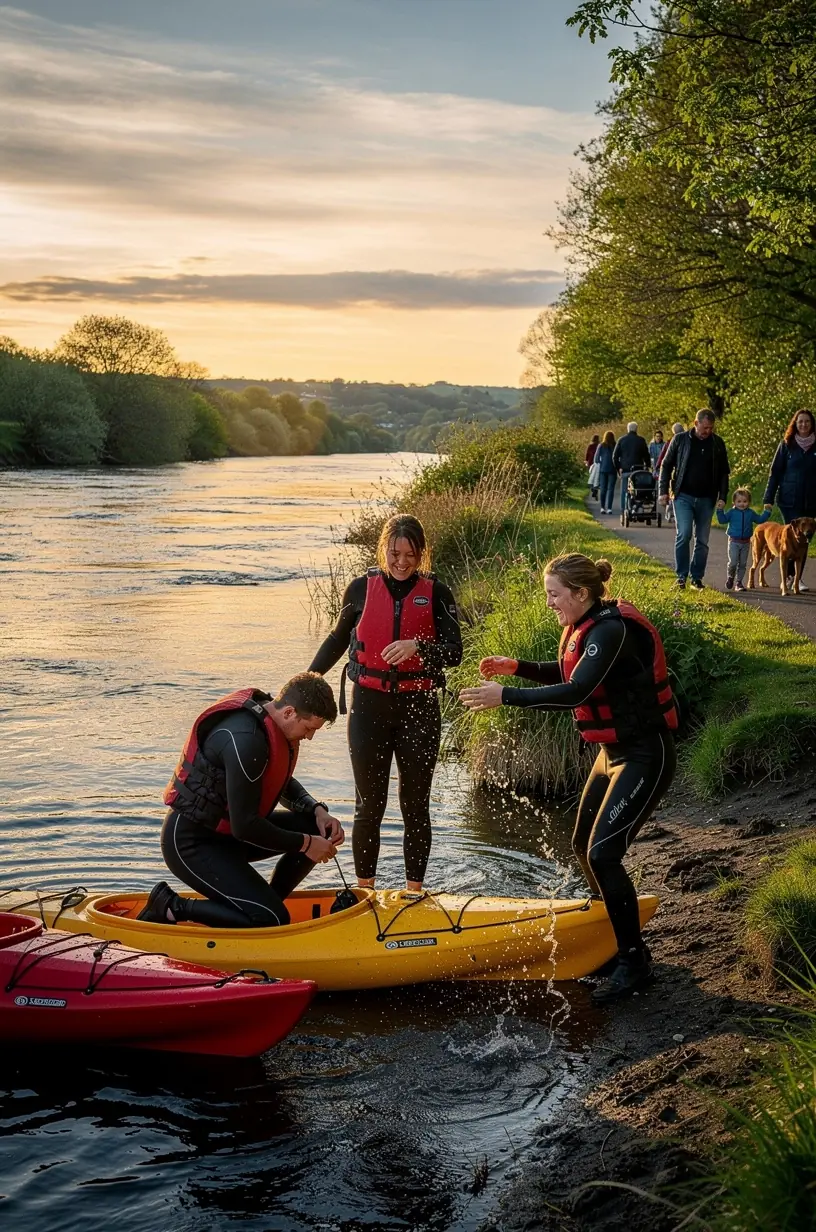
- Mental Wellbeing: Engaging with nature has been shown to reduce symptoms of anxiety and depression. Many users report feeling more relaxed and rejuvenated after spending time in green spaces.
- Social Interaction: Parks serve as communal hubs where people can gather, fostering social connections. Research indicates that social interactions in these spaces can enhance community cohesion and reduce feelings of isolation.
Implementing Parks for Maximum Impact
Establishing parks that effectively contribute to community wellbeing requires careful planning and consideration of various factors:
- Accessibility: Parks should be easily accessible to all community members, including those with mobility challenges. This typically involves creating pathways and facilities that cater to diverse needs.
- Variety of Facilities: A well-rounded park often includes walking trails, playgrounds, fitness stations, and picnic areas. Studies show that parks with diverse facilities attract more users.
- Regular Maintenance: A commitment to maintaining park facilities and natural landscapes is crucial. Research suggests that well-maintained parks are more likely to be used and appreciated by the community.
Conclusion
In summary, parks are essential to enhancing community wellbeing. They offer a range of benefits, including improved physical health, better mental wellbeing, and increased social interactions. While establishing effective parks requires time, effort, and resources, the potential rewards for community health are substantial. Emphasizing education and awareness about the importance of parks can also encourage community engagement and advocacy for greener spaces.