Understanding the Environmental Impact of Outdoor Activities
Outdoor activities are a wonderful way to enjoy nature and promote physical well-being. However, it’s important to understand their environmental impact. This article explores how walking, cycling, and light tourism can both benefit and challenge our ecosystems.
Understanding the Basics
Outdoor activities, while generally beneficial for health, can have significant environmental consequences if not managed properly. According to a study by the International Journal of Environmental Research and Public Health, recreational activities often lead to soil erosion, habitat destruction, and wildlife disturbances.
"Many outdoor enthusiasts may not realize that their activities can have lasting effects on natural habitats and ecosystems."
Environmental Impacts of Common Outdoor Activities
Different outdoor activities can have varying impacts on the environment:
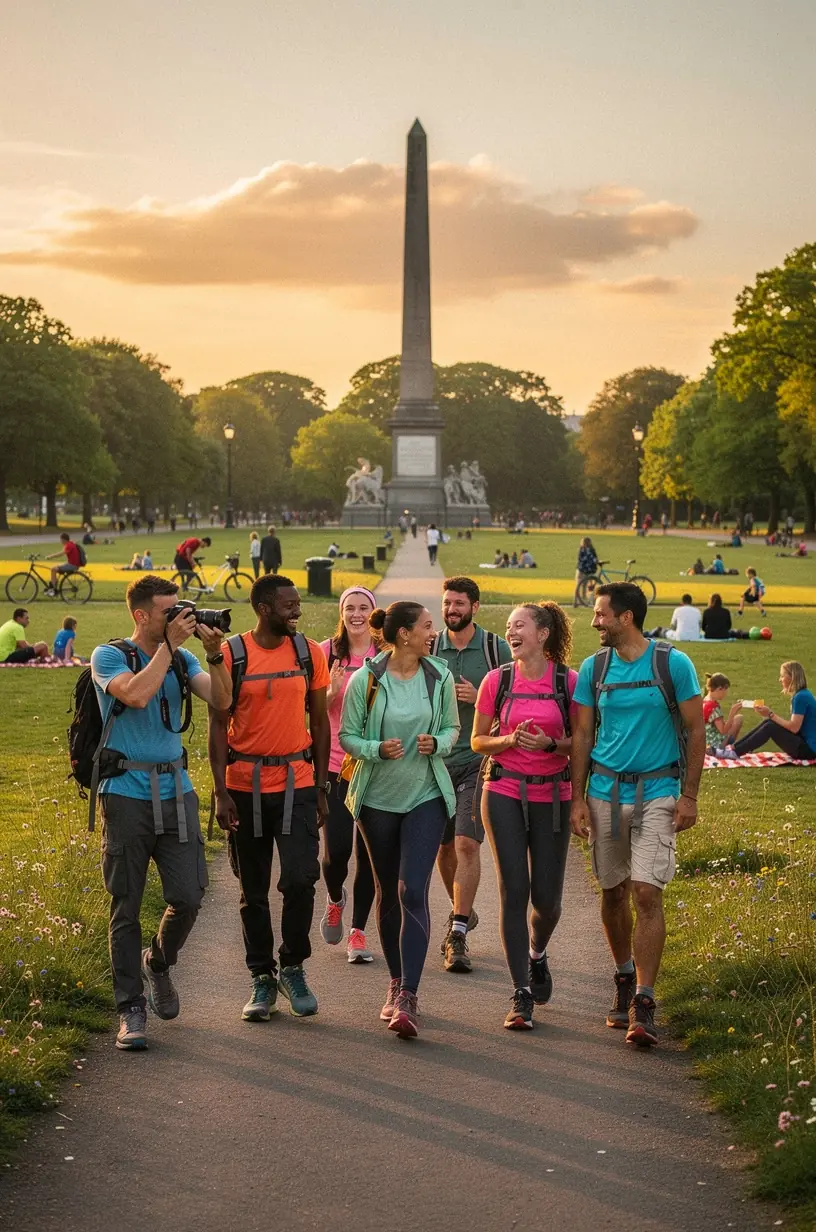
- Walking: Generally lower impact, but frequent trampling in popular areas can lead to soil erosion and vegetation loss.
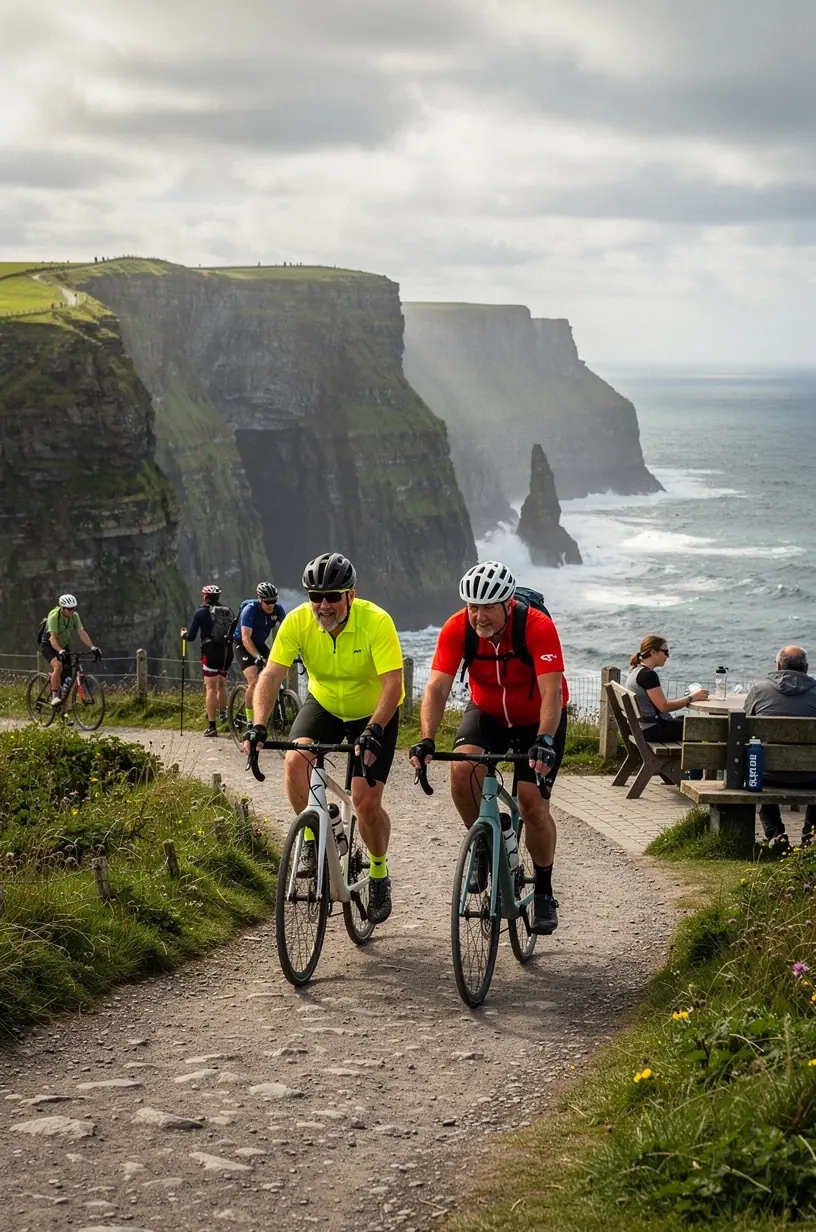
- Cycling: While cycling promotes eco-friendly transport, it can damage trails and disturb wildlife, particularly when off-road.
- Light Tourism: Activities such as bird watching or hiking can lead to increased waste and litter if not managed responsibly.
Practical Application: How to Minimize Your Impact
As outdoor enthusiasts, there are several ways to engage in these activities while minimizing environmental harm:
- Stay on Designated Paths: This helps protect vegetation and reduces soil erosion. Many parks and nature reserves provide clear guidelines for visitors.
- Follow Leave No Trace Principles: This set of guidelines, endorsed by industry experts, emphasizes the importance of planning ahead, disposing of waste properly, and respecting wildlife.
- Limit Group Sizes: Smaller groups typically have a lesser impact on the environment. This allows for a more sustainable experience that benefits both nature and participants.
Conclusion
Understanding the environmental impact of outdoor activities is essential for promoting sustainable tourism and recreation. By taking simple steps to minimize our impact, we can continue to enjoy nature responsibly. As a community, it’s crucial to educate ourselves and others about best practices to ensure our natural spaces remain vibrant for future generations.