A Practical Guide to Outdoor Recreational Safety
When engaging in outdoor activities such as walking, cycling, or exploring parks, safety should be a top priority. Understanding potential risks and knowing how to mitigate them can enhance your experience while ensuring your wellbeing. This guide will provide practical insights into outdoor recreational safety, emphasizing education and actionable tips.
Understanding the Basics of Outdoor Safety
Outdoor activities often expose participants to various environmental conditions and physical challenges. According to research conducted by the Outdoor Industry Association, over 60% of outdoor enthusiasts report that having a safety plan significantly enhances their overall experience. Safety in outdoor recreation involves preparation, awareness, and appropriate decision-making.
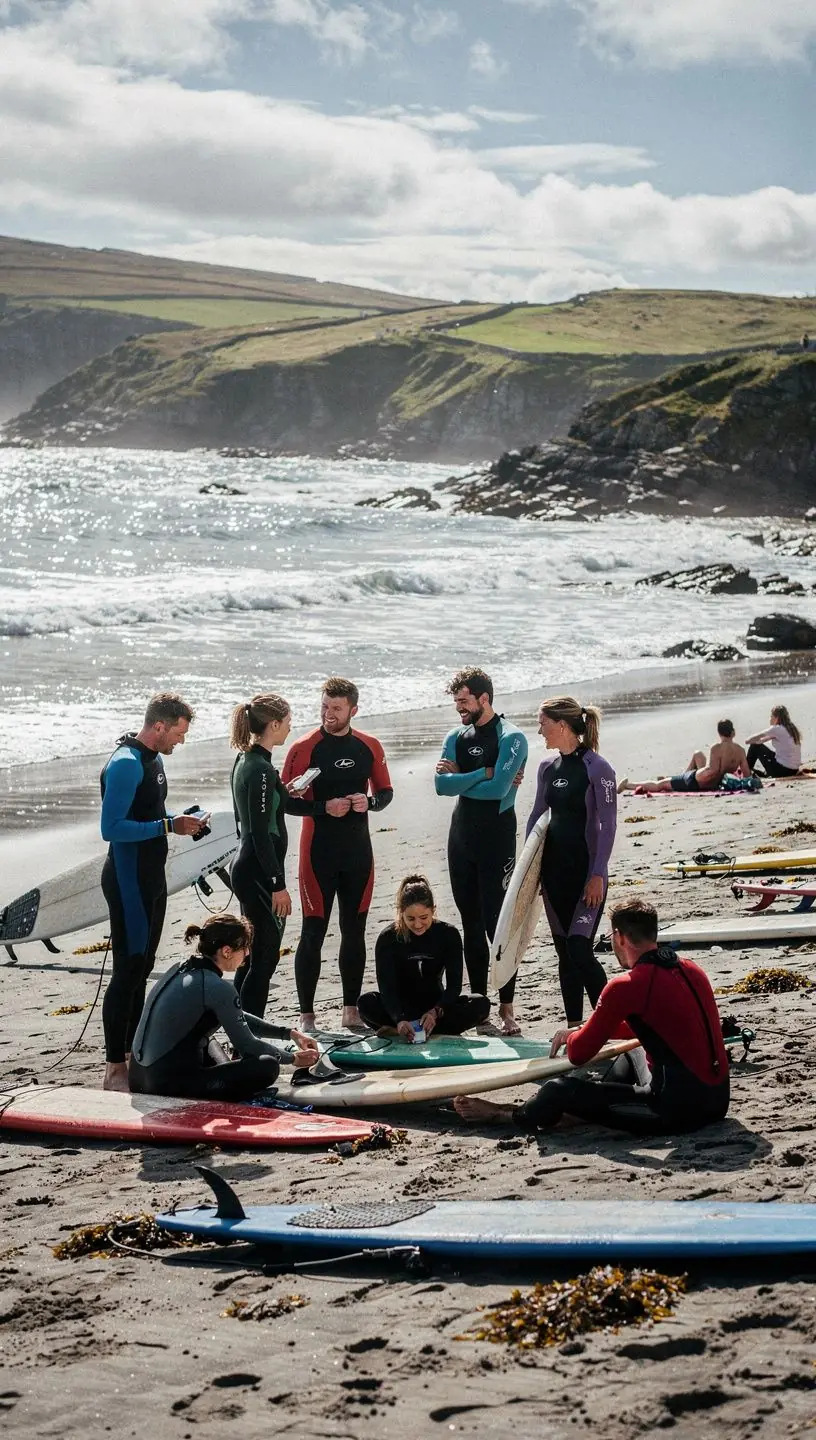
"Taking a proactive approach to safety can reduce risks and improve your enjoyment of outdoor activities." - Outdoor Safety Expert
Essential Safety Tips for Outdoor Activities
Implementing effective safety practices can help you navigate common outdoor risks. Here are some recommended strategies:
- Know Your Environment: Research the area you plan to visit. Understanding the terrain, weather patterns, and potential hazards is crucial. Industry experts suggest studying maps and local guides before heading out.
- Wear Appropriate Gear: Equip yourself with suitable clothing and gear. For instance, wearing moisture-wicking fabrics can help regulate body temperature during physical activities. Many users report feeling more comfortable and safe when dressed appropriately for the weather conditions.
- Stay Hydrated: Carry enough water to stay hydrated throughout your activity. Research indicates that dehydration can significantly impair physical performance and cognitive function, leading to increased risks.
Planning for Emergencies
Accidents can happen, even to the most cautious outdoor enthusiasts. Preparing for potential emergencies is essential. Here’s how:
- Carry a First Aid Kit: Having a basic first aid kit can be invaluable. According to studies, many outdoor accidents can be managed effectively with immediate first aid intervention.
- Inform Someone of Your Plans: Always let someone know your route and estimated return time. This practice is a standard recommendation from safety organizations, as it can facilitate rescue efforts if necessary.
- Stay Connected: Carry a fully charged mobile phone when appropriate. While coverage may be limited in remote areas, having a device can be crucial during emergencies.
Conclusion
Outdoor recreational safety is about being prepared and making informed decisions. By understanding potential risks and implementing practical safety measures, you can enhance your outdoor experiences significantly. Remember that safety is an ongoing practice that requires continual awareness and education. Many enthusiasts find that taking the time to plan and prepare not only increases their enjoyment but also ensures a safer adventure.
Explore More